





What is a Sinus Lift?
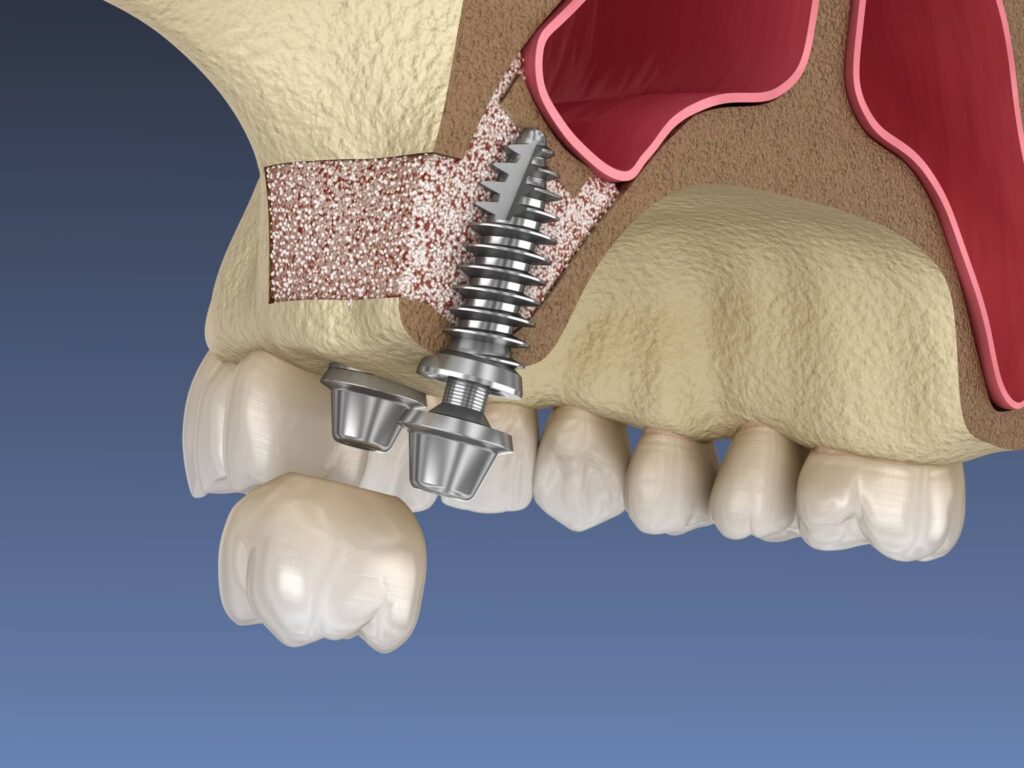
A sinus lift, also known as sinus augmentation, is a surgical procedure that adds bone to your upper jaw in the area of your molars and premolars. It involves lifting the sinus membrane to create space for bone grafting, making dental implants possible in cases of insufficient bone volume.
Why is a Sinus Lift Needed?
- Bone Loss: Natural bone loss due to periodontal disease, tooth loss, or aging.
- Insufficient Bone Height: To provide adequate support for dental implants.
- Sinus Proximity: When your sinuses are too close to the jaw for dental implant placement.
How is a Sinus Lift Performed?
- Anesthesia: Local anesthesia, sedation, or general anesthesia may be used to ensure comfort.
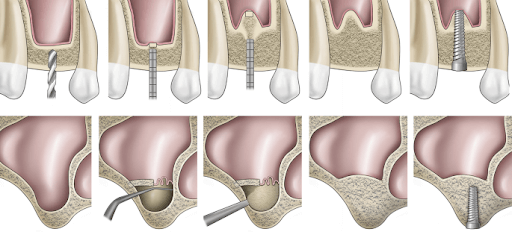
- Incision & Access: An incision is made in the gum tissue to expose the jawbone. A handpiece is then used to create a window into your jaw bone.
- Sinus Membrane Elevation: The sinus membrane is carefully lifted.
- Bone Graft Placement: Bone graft material is inserted into the created space.
- Closure: The incision is closed with stitches.
- If an indirect sinus lift is being performed it is done at the time of implant placement through the implant osteotomy site.
Risks and Complications
While the sinus lift procedure is generally safe, there are potential risks, including:
- Infection or inflammation
- Bleeding or bruising
- Sinus membrane perforation
- Sinus infection (sinusitis)
- Graft failure or delayed healing
- Swelling or discomfort
Sinus Precautions
Following your procedure, it is crucial to adhere to these sinus precautions to ensure proper healing:
- Do not blow your nose for at least two weeks.
- Avoid sneezing forcefully; sneeze with your mouth open to relieve pressure.
- Do not use a straw for drinking for two weeks.
- Avoid flying, swimming, or diving for at least two weeks post-surgery due to changes in air pressure.
- Limit activities that increase sinus pressure, like heavy lifting or bending over.
- You may use over the counter decongestants as needed
Recovery Process
- Initial Healing (1-2 weeks): Swelling, bruising, numbness, and mild discomfort are common. Rest, elevate your head, and apply ice packs to manage swelling. You may notice some small particles of the bone graft in your mouth, this is completely normal.
- Diet: Stick to soft foods until your follow-up appointment.
- Activity: Avoid strenuous activities for at least one week.
- Oral Hygiene: Maintain gentle oral hygiene practices. Rinse gently with salt water and avoid vigorous brushing near the surgical site.
- Follow-Up Appointments: Attend scheduled follow-ups to monitor healing and prepare for dental implant placement.
When to Contact Our Office
Please contact us immediately if you experience:
- Excessive bleeding or swelling
- Severe pain not relieved by prescribed medication
- Signs of infection (fever, persistent discharge, or foul odor)
- Sinus congestion or pressure persisting beyond a few days
- The sensation of liquid getting in your sinus when you drink
We are here to support you throughout your treatment and recovery. Please reach out with any questions or concerns.